
Winter conditions in Canarsie can stress roofing systems in ways that are not always visible right away. In many Brooklyn homes and small commercial buildings, ice dams, wind-driven snow, and freeze-thaw cycles can create small entry points that later turn into leaks, staining, or damaged flashings. Power Roofing Canarsie Brooklyn NY—an independent roofing contractor based at 599 E 84th St, Brooklyn, NY 11236—runs a post-winter inspection identifying the damage that winter usually leaves behind. The company is rated 5.0 from 39 reviewers, with a team available open 24 hours for urgent roof damage concerns.
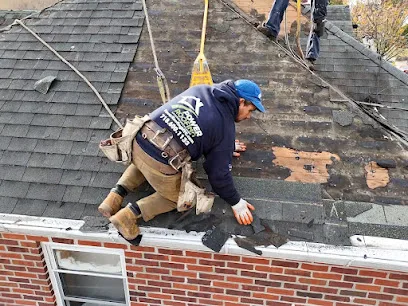
1) Start outside: What wind and melting snow usually reveal first
After a thaw, roofing issues often show up at the perimeter and along roof edges where wind concentrates moisture. During a post-winter visit, Power Roofing Canarsie typically checks for missing or lifted shingles, loose metal flashing, and compromised sealant at transitions. The goal is to find the exact path where water can enter—so repairs address the source rather than the symptom. If the building has curb penetrations or rooftop vents, those areas also get extra attention because snow and ice commonly pool around penetrations.
2) Document the roof’s “pattern”: stains, granule loss, and reappearing wet spots
Interior clues can point to exterior failures. Power Roofing Canarsie uses a inspection approach that cross-references interior staining and reappearing wet spots with the likely winter exposure points outside. The company’s specialty list includes Roof Replacement, Roof Repair, Roof Inspection, and Wind Damage, which aligns with the most common post-storm findings in the Brooklyn area. When the roof shows granule loss or surface wear in irregular patterns, that pattern helps narrow down whether the damage came from wind abrasion, ice movement, or a seam/flashings issue.
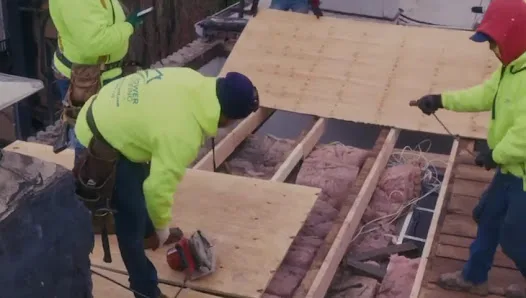
3) Check the seams and flashings like they are the problem, not the byproduct
Most roof leaks start at edges, seams, and penetrations. In a post-winter inspection, Power Roofing Canarsie where materials meet: step flashing, counterflashing, roof-to-wall transitions, and any mechanical roof penetrations. The team looks for cracked caulk, lifted sections, corrosion around metal components, and gaps that could have formed after freeze-thaw expansion. This type of targeted inspection is particularly important for buildings that experienced wind events during winter, because wind can move snow into areas that normally stay dry.
4) Evaluate repair options: fix now vs. plan for replacement
Once the inspection identifies the damage points, Power Roofing Canarsie helps property owners decide between repair and replacement based on the roof’s condition and the cost of continuing to patch a weakened system. Roof repair can address localized issues such as damaged flashing or limited shingle uplift. Roof replacement becomes the better path when the inspection shows widespread aging, multiple failure points, or repeated winter damage that suggests the underlying system has reached its practical limit. Power Roofing can also support roof-related claims through its services, which can reduce the time homeowners spend coordinating documentation after storm damage.
5) Know what to ask before work begins
A strong inspection leads to clear recommendations. For a post-winter check, property owners can ask Power Roofing Canarsie to explain:
- Which areas failed first during winter and why those locations are most likely to leak next.
- Whether the recommended repair is spot-fixable or whether the roof shows enough wear to justify replacement.
- What materials and installation steps will be used to restore water-tight performance at edges and penetrations.
- How the company will document the findings for insurance or internal records if needed.
Having these answers up front makes it easier to budget and prevents misunderstandings about scope, especially when repairs follow winter moisture intrusion.
6) Quick “signal” list for when to schedule an urgent follow-up
Some roof issues cannot wait until the next season. Schedule an urgent inspection if there is active leaking, visible sagging, new interior ceiling discoloration, or sudden increases in roof-related moisture after heavy rain. Power Roofing Canarsie offers 24-hour availability, including support for Wind Damage situations where emergency tarping may be appropriate to protect the building while longer repairs are planned.
Post-winter roof inspection contact
For a post-winter inspection at 599 E 84th St in Brooklyn, property owners can reach the contractor at (929) 300-0137. The official website for service details is available at http://powerroofingnyc.com/. The recommended start is a roof inspection that documents winter damage points so repairs, or replacement planning, address the most likely leak pathways first.
