
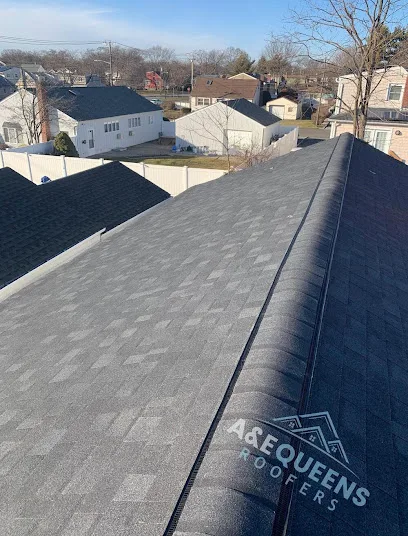
A&E Queens Roofers serves residential homeowners across Queens, NY, handling roof replacement and siding work as a single coordinated project. With a 4.9 rating from 118 reviewers, the listing emphasizes repeatable jobsite management—an important signal for anyone comparing contractors when timelines, weather windows, and cleanup all affect the final experience. For homeowners who want a roof replacement that is planned, not improvised, the best starting point is understanding how the team handles the tear-off, the protection phase, and the final close-out.
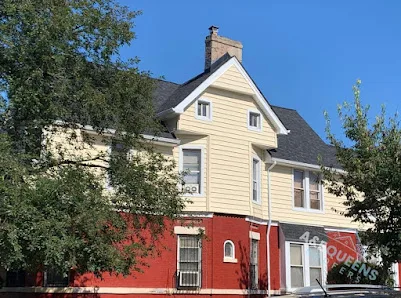
Scope first: how Queens homeowners should lock in the tear-off plan
The most expensive roof replacement problems usually start on day one, when the tear-off scope is unclear. Homeowners should ask for a written plan that names the full roof system layers being replaced, not just the visible shingles. That includes how the contractor will evaluate plywood or deck condition, confirm whether ventilation needs adjustments, and document the areas that require repair before roofing is closed up.
Weather readiness: what emergency tarping should look like in practice
In Queens, short-term rain can change how a roof project feels from “on schedule” to “on hold.” A&E Queens Roofers lists emergency tarping among typical services, so the homeowner should request details on how tarps are staged, how quickly they can be deployed, and how the crew will manage water-shedding priorities while the roof deck is exposed. This is also the moment to confirm cleanup expectations so the property is protected and maintained between work windows.
Underlayment and edge details: the difference between a replacement and a full system
Two roof replacements can look similar from the street but behave differently in years. Homeowners should press for the underlayment strategy and the edge and transition details that keep water from migrating at the perimeter. Because A&E Queens Roofers also handles siding, homeowners should ask how roof-to-siding transitions will be coordinated so edges are treated as part of a continuous water-control system, not as separate tasks.
Insurance claim support: what to ask for when paperwork drives approval
When roof damage leads to a claim, accuracy in documentation often determines what gets approved. A&E Queens Roofers includes insurance claim support in its typical service list, so homeowners should ask what inspection notes, photo documentation, and scope language the team can provide. The goal is to connect what is found on the roof to the materials plan that the insurer approves, reducing the chance of mid-project scope gaps.
Workmanship warranty: turn warranty wording into a coverage routine
Warranty coverage is only useful if it is clear. Homeowners should request the workmanship warranty terms in writing and ask how the contractor handles warranty documentation for seam and flashing areas—the places where roof failures often show up after water exposure. A&E Queens Roofers positions workmanship responsibility as part of the project approach, and homeowners can use the conversation to clarify what the warranty covers, what maintenance or follow-up is required, and how future warranty visits are scheduled.
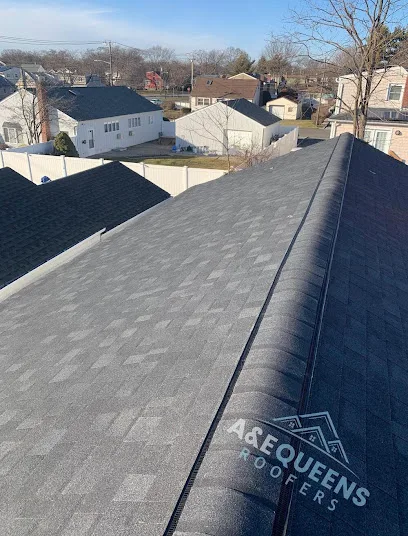
A short Queens checklist for the first inspection meeting
- Ask for a written tear-off scope that includes roof system layers and deck evaluation.
- Confirm the emergency tarping plan for rain, including how quickly it can be deployed.
- Request details on underlayment and perimeter/edge water-control design.
- If filing an insurance claim, ask what documentation A&E Queens Roofers can provide.
- Get workmanship warranty terms in writing and clarify future warranty-visit steps.
- Review the schedule for installation and cleanup so the timeline stays realistic in Queens weather.
For Queens homeowners comparing contractors, the differentiator is whether the team can explain the larger projects system and keep the job protected through every phase. A&E Queens Roofers can be reached at (646) 681-3979 and shares its services through aequeensroofing.com, making it easier for homeowners to confirm how the project will be handled from tear-off to final close-out.
